Just like the weather

North America was a very different place during the Pleistocene. There were no skyscrapers, no highways, no concrete structures at all. Instead the landscape was wild, with grasses and white spruce forests dominating. This rich environment was filled with incredible creatures, including, amongst many, many more; giant short-faced bears, the weird rhino-like Toxodon, huge bison, the speedy pronghorns, enormous Mastodons, saber-tooth cats, cheetahs, and even the American lion.

Enormous herbivores were hunted and eaten by incredible predators. This was a time when giants succumbed to giants. Enter this world, through the amazing art of Ted Rechlin, where you can experience a snap shot of life in North America 13,000 years ago. Life was unpredictable. Just like the weather.


TED1 SMALL


TED2 SMALL


TED3 SMALL


TED4 SMALL


TED5 SMALL

TED6 SMALL

TED7 SMALL


TED8 SMALL

All images copyright Ted Rechlin (@TedRechlin)

Top text Jan Freedman (@JanFreedman)

Further Reading:

A great post on the Giant short-faced bear here.

A lovely post on the American Lion here.

Posted in American Lion, Short Faced Bear | Tagged , , , , , , | 8 Comments

Down the rabbit hole

“You’ve got no right to be growing here” said the Dormouse to Alice during her sojourn in Wonderland. “Don’t talk nonsense” Alice replied to the tiny, dozy rodent “You know you’re growing too”. To which the Dormouse retorted “Yes, but I grow at a reasonable rate, and not in that ridiculous fashion”.

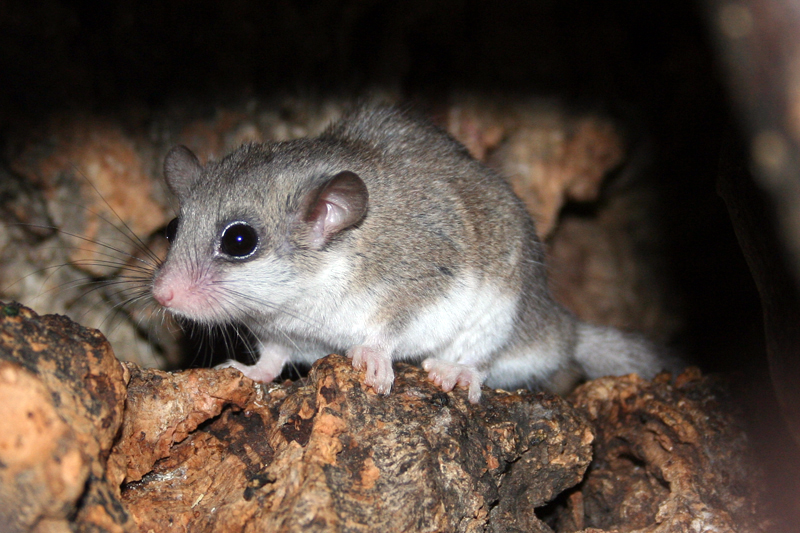
That sassy dormouse who felt it was growing, just as it should, may very well have been Leithia melitensis, the Giant Maltese Dormouse who was about twice the size of its modern cousin. There were four prehistoric dormouse (Glirideae) species scattered across Sicily and the Maltese Islands; two of those are the ‘giants’ L. meletensis and the slightly smaller L. cartei. Here on Twilight Beasts we’ve featured truly giant megafauna – the massive and nightmarish short-faced bear, the lumbering Megatherium and the huge cuddly Diprotodon to name but a few. These rodents, however, were of unusual size in their class, but were still quite petite for the Pleistocene – with a cuddly, hamster-like body around 30cm long, most likely golden-tawny fur, huge bright black eyes, and delicate little paws and furry tails. I find it funny to think of these dinky dormice as prime and fine examples of what is referred to in palaeoecology and biology  as ‘insular gigantism’.

The very cute little Dormouse () which lives in Africa today. (Image by "Graphiurus spec -murinus-1" by H. Osadnik - Own work. Licensed under CC BY-SA 3.0 via Wikimedia Commons - http://commons.wikimedia.org/wiki/File:Graphiurus_spec_-murinus-1.jpg#mediaviewer/File:Graphiurus_spec_-murinus-1.jpg from here)

The very cute little African Dormouse (Graphiurus sp.). The Giant Dormouse would have looked very similar, except it was the size of a guinea pig. (Image by H. Osadnik, from here)

Island life is the biological equivalent of popping down that rabbit hole in Alice in Wonderland. Being separated from mainland environments often has a funny influence on both flora and fauna. Insular biogeography is a complex field of study in its own right, which takes into consideration the availability of resources, how isolated that island is, the duration of isolation, sea currents, temperatures and predators within an ecological system. Large animals, when isolated on islands, often shrink in size as a response to competition for limited natural resources. This is well illustrated by the mini-mammoths (Mammuthus creticus) of Crete and the half-pint Elephas mnaidriensis of Sicily and Malta. However, the smaller island creatures tend to grow in size (insular gigantism), perhaps because of less predator stress. It’s this phenomenon which likely accounts for the ‘giant’ Leithia dormice genus of the most southern Mediterranean islands.

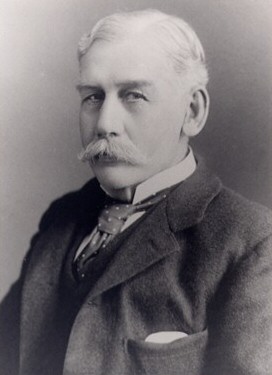
The Giant Maltese Dormice were recorded first by the ubiquitous Scottish naturalist and geologist, Andrew Leith Adams, in 1863 when he found large amounts of their little bones in the sediments of the Maqhlaq Caves of Malta. He knew they were dormice, but what genus? He decided they belonged to the Myoxus genus (which includes the extant Edible Dormouse), although he knew something just wasn’t quite right. The taxonomy would be reassessed by Richard Lydekker in 1895. Lydekker named the new-found genus Leithia, after Andrew Leith Adam’s middle name!

A stern looking Richard (Image from Wikipedia Commons here)

A stern looking Richard Lydekker from around 1900. Lydekker named the new Genus of Giant Dormouse. (Image from Wikipedia Commons here)

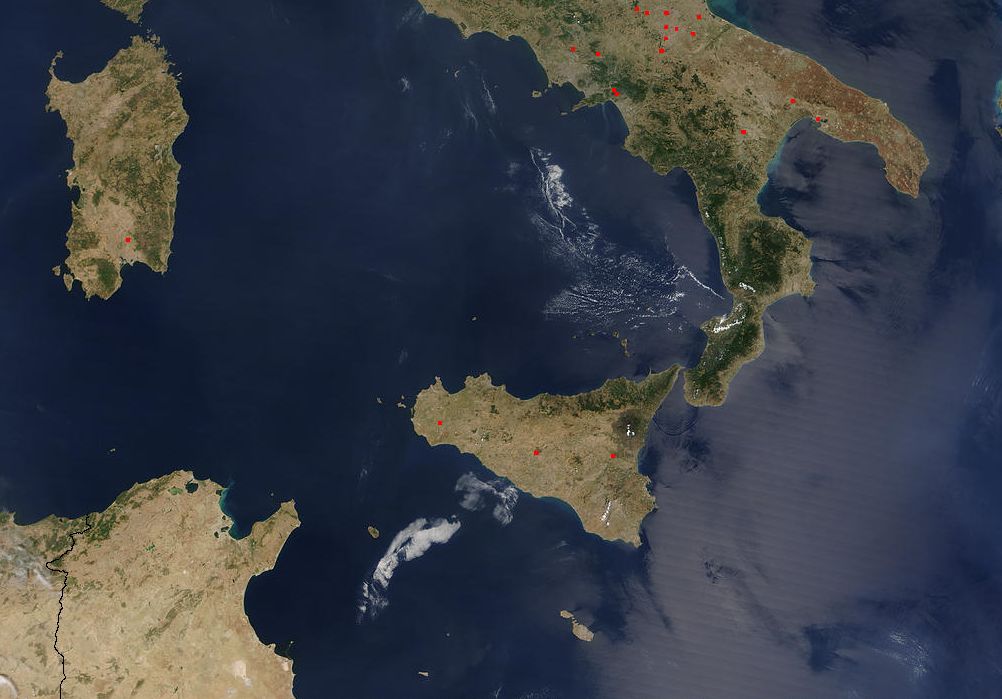
Malta is special even by Mediterranean standards. For the environmental archaeologist, it’s pretty much got it all, with a unique cluster of upstanding archaeological remains, a mysterious Neolithic society, pretty fab geological features and a history of unusual prehistoric fauna, now sadly extinct. It’s likely that most of those creatures arrived on Malta and Sicily some 5.8 million years ago, taking advantage of the land corridors between Europe and North Africa which resulted from the Mediterranean drying up! The Mediterranean actually ‘dried’ about five times due to a peculiar set of environmental circumstances referred to as the Messinian Salinity Crisis. After the flooding of the Mediterranean (the Zanclean Event) about 5 million years ago, the islands were pretty much isolated from Europe and Africa.

However, the tectonics beneath the waters around Malta and Sicily are very active, and it is likely they thrust up some sort of land bridge to allow another wave of migrating animals sometime around 690,000 years ago. The Ice Age decreased the depth of the Mediterranean considerably, so the waters were also shallow enough to allow the most courageous animals to swim across.  The northern hemisphere was in the icy grip of glaciers, so while the Maltese islands may not have been experiencing bikini weather, it was better than the perishing cold that controlled Europe. The complex dance between sea transgressions and land upheaval meant that Malta entered into a period of insular isolation from this period of the Pleistocene, allowing the development of unique island species. This was again interrupted by another wave of creatures on the run from the ice, around 300,000 years ago. Some have theorised that sea level change, perhaps in combination with tectonic events, briefly reconnected Malta and Sicily with the southern parts of Italy. Certainly Leithia melitensis and L. cartei are found on Sicily, but have not yet been found on the Italian mainland. But who knows what future digs may produce?

Malta itself remained one big island rather than 2 large ones and 18 tiny’ns until the melt waters of the dying Ice Age flooded the Mediterranean, causing the creation of the island group we know today around 20kya – although that’s open to debate! The bone and sediment deposits in the caves of Gh’ar Dalam in Malta have provided some sort of indirect chronology for these pretty little rodents; ‘Layer V’ within that cavern contained hippopotamus teeth and bones, as well as bones of tiny ‘giant’ – and not so giant- dormice. That stratigraphy level has been tentatively dated to around 180,000 years ago, although there is likely to be a very large margin of error within this date. Maltese caves have had a lot of human habitation over thousands of years, and people tend to dig holes to hide rubbish in, inconsiderately messing stratigraphy up for future archaeologists and palaeo sorts! Digging or scraping holes in a sediment or soil allows organic material from more recent levels to drop into deeper, early levels, and this can contaminate radiocarbon dates pretty badly, giving serious inaccuracies. Radiocarbon dating is a tricky thing indeed!

The 'boot' of Italy and the 'ball of Scicily in the Meditteranean Sea. To the South of Scicily, you can make out a small island. This is Malta. (Image "Tunisia - Sicily - South Italy" by NASA, cropped by DrFO.Jr.Tn - NASA website. Licensed under Public Domain via Wikimedia Commons - http://commons.wikimedia.org/wiki/File:Tunisia_-_Sicily_-_South_Italy.jpg#mediaviewer/File:Tunisia_-_Sicily_-_South_Italy.jpg from here)

The ‘boot’ of Italy and the ‘ball of Scicily in the Meditteranean Sea. To the South of Scicily, you can make out a small island. This is Malta. (Image by NASA. Public Domain, from here)

So, what made the graceful and enigmatic Giant Dormouse vanish from history? Did the story of Leithia end on Malta or Sicily first? And when exactly did the little beasties become extinct? We actually don’t yet know for sure. Climate has always been a bit of an issue on Malta. My MSc lecturer in Environmental Archaeology, Chris Hunt (now in Liverpool  University doing exciting things with Shanidar Cave and Bornean trees!), has considered the islands of Malta and Sicily to be key in understanding environmental changes after the Ice Age, being located between Africa and Europe. He states that Malta was regularly heavily forested in more clement weather conditions and barren during cold phases. Certainly long term pollen charts bear this out. But even scrub-land would have been sufficient to nourish a  small population of little dormice. Unfortunately, we probably need to look at the arrival of humans around 7000 years ago for the answer to the dormouse demise.

The arrival of humans to Malta during the Neolithic period resulted in massive vegetation clearances to accommodate lifestyles which were not as harmonious with nature as many people like to imagine. Cores taken at Burmarrad on the island show signs of ‘cut and burn’ clearance around 7300 (calibrated) BP, reducing the landscape to ground-hugging herbs such as Plantago lanceleota (Plantain) and Rumex (dock leaves). They are also the plants which indicate human agricultural activity. Modern dormice depend entirely on woodlands for diet and habitat. It is likely L. melitensis and L. cartei were exactly the same in their habits. We all know that dormice do like a little sleep in their forestry burrows, as they will hibernate in cold winter months. It would be doubtful that many would survive arboreal burning events caysed by Neolithic farmers creating open land for grazing and agriculture. We’ll learn even more about the ‘boom and bust’ aspect of grazing and settlement landscapes pretty soon, because of the  groundbreaking FRAGSUS project being carried out at the moment by teams from Cambridge, Malta and of course Queens University Belfast.

I’m going to stick my neck on the chopping block and speculate that the giant dormice of Malta and Sicily survived long enough into the Holocene because of a peculiarity in Roman cuisine – they rather enjoyed eating honeyed roast dormouse. Malta is known as the ‘honey’ island (hence the name Melite, or Μελίτη, meaning sweet as honey), and little mousie delicacies could easily have been introduced to mainland Italy via Sicily any time from the Early Bronze Age. The one thing I’ve learnt from archaeology is that when trade is involved, seas are no barrier – and honey is one heck of a preservative. Again, as we learn more about human diet habits and settlement development on Malta we can speculate with more confidence as to the why’s and when’s of the extinction of Leithia melitensis.

‘Of course, of course; just what I was going to remark myself.’

Written by Rena Maguire (@JustRena)

Further Reading:

Adams, A. L. (1863),  ‘Observations on the Fossiliferous caves of Malta’. Journal of the Royal Society, 4 .2. pp.11–19.

Adams, A. L. (1868). ‘On a species of dormouse (Myoxus) occurring in the fossil state in Malta’. Transactions of the Zoological Society of London, 6.5. pp.307–308. [Article preview]

Beerden, K. (2012). ‘Roman dolia and the Fattening of Dormice’. Classical World. 105.2. pp.227-235. [Full article]

Bruijn, H. de, (1966). ‘On the Pleistocene Gliridae (Mammalia, Rodentia) from Malta and Mallorca’. Proceedings Koninklijke Nederlandse Akademie van Wetenschappen, B 69 (1). pp.480-496. [Book]

Carroll, F. A., Hunt, C. O., Schembri, P. J., & Bonanno, A. (2012). ‘Holocene climate change, vegetation history and human impact in the Central Mediterranean: evidence from the Maltese Islands’. Quaternary Science Reviews. 52. pp.24-40. [Abstract only]

Carroll, L. Alices Adventures in Wonderland. London: Collins Classics. [Book]

Dobson, M. (1998). ‘Mammal distributions in the western Mediterranean: the role of human intervention’. Mammal Review.28.2. pp.77-88. [Abstract only]

Filin, I & Zev, Y. (2004). ‘New theory of insular evolution: unifying the loss of dispersability and body-mass change’. Evolutionary Ecology Research. 6. pp.115–124. [Full article]

Gatt, P. (2007). ‘Controls on Plio-Quaternary foreland sedimentation in the Region of the Maltese Islands.’ Italian Journal of Geoscience. 126. 1. [Full article]

Gowers, E. (1993). The Loaded Table: Representations of Food in Roman Literature: Representations of Food in Roman Literature. Oxford University Press. [Book]

Hunt, C. O. (1995). ‘The natural landscape and its evolution’. In: Barker, G. (Ed.), A Mediterranean Valley.  Leicester:Leicester University Press. pp.62-83.[Book]

Hunt, C. O., (1997). ‘Quaternary deposits in the Maltese Islands: a microcosm of environmental change in Mediterranean Lands’. GeoJournal 41.2. pp.101-109. [Book]

Hunt, C. O., (2000). ‘Pollen’ In: Bonanno, A., Frendo, A.J. (Eds.), Excavations in Tas-Silg, Malta, Mediterranean Archaeology. pp.111 -113.

Hunt, C. O and Schembri, P. J. (1999). Quaternary environments and biogeography of the Maltese Islands in Mifsud, A and Savona Ventura, C (eds) Facets of Maltese Prehistory.  Valetta: The Prehistoric Society of Malta. pp.41-75. [Book]

Lydekker, R., (1895). ‘On the affinities of the so-called extinct giant dormouse of Malta’. Proceedings of the Zoological Society of London. 860-863. [Book]

Magny, M., Miramont, C., & Sivan, O., (2002). ‘Assessment of the impact of climate and anthropogenic factors on Holocene Mediterranean vegetation in Europe on the basis of palaeohydrological records’. Palaeography, Palaeoclimatology, Palaeoecology 186. pp.47-59. [Abstract only]

Malone, C., Stoddart, S., &Cook, G., (2009). ‘Dating Maltese prehistory’ In: Malone, C., Stoddart, S., Bonanno, A., Trump, D. (Eds.), Mortuary Customs in Prehistoric Malta. Excavations at the Brocktorff Circle at Xag-ra 1987-1994.  Cambridge:McDonald Institute Monographs. 341-346.

Marriner, N., Gambin, T., Djmali, M., Morhange, C., & Spiteri, M., (2012). ‘Geoarchaeology of the Burmarrad ria and early Holocene human impacts in western Malta’. Palaeogeography, Palaeoclimatology, Palaeoecology. pp.339-341. [Abstract only]

Meijer, P and Krijgsman,W. (2005). ‘A quantitative analysis of the desiccation and re-filling of the Mediterranean during the Messinian Salinity Crisis’. Earth and Planetary Science Letters. 1-9

Micallef , A, et al. (2012). ‘The submerged paleolandscape of the Maltese Islands: Morphology, evolution and relation to Quaternary environmental change’ Marine Geology. [Abstract only]

Petruso, D., (2004). ‘New data on Pleistocene endemic Sicilian-Maltese dormice (Gliridae, Mammalia)’. 18th Senckenberg Conference 2004 in Weimar. [Full article]

Yu, A & Lei, S. (2001). ‘Equilibrium Theory of Island Biogeography: A Review’ USDA Forest Service Proceedings RMRS-P-21. 2001. pp.163-171. [Full article]

Zammit, G. & Bruijn, H. (1982). ‘The Plio/ Pleistocene Gliridae from the Mediterranean Islands reconsidered’. Palaeontology. 1.5. pp.113-128.

Posted in Giant Maltese Dormice | Tagged , , , , , , , , , , , , , , , , , , , | 8 Comments

A big ass kangaroo

Marsupials are cool mammals. The youngsters are born very, very early. So early in fact they are the size of a jelly bean. These pink wrinkly little joeys develop for several months outside of the womb protected inside a nice warm, cosy pouch. Immediately they can climb up the pouch with well-developed arms to find their mothers teat to feed the nutritious milk. A pretty impressive start to life. The more familiar marsupials are the cute (but ferocious) koala (Phascolarctos cinereus), the funky looking kangaroos (Macropodidae), and the cuddly wombats (Vombatidae). All of these are Australian, but there are some marsupials living in South America too, including a very large number of different, but rather delightful, genera of opossums (Didelphidae) and the unbelievably adorable monito del monte (Dromiciops gliroides).

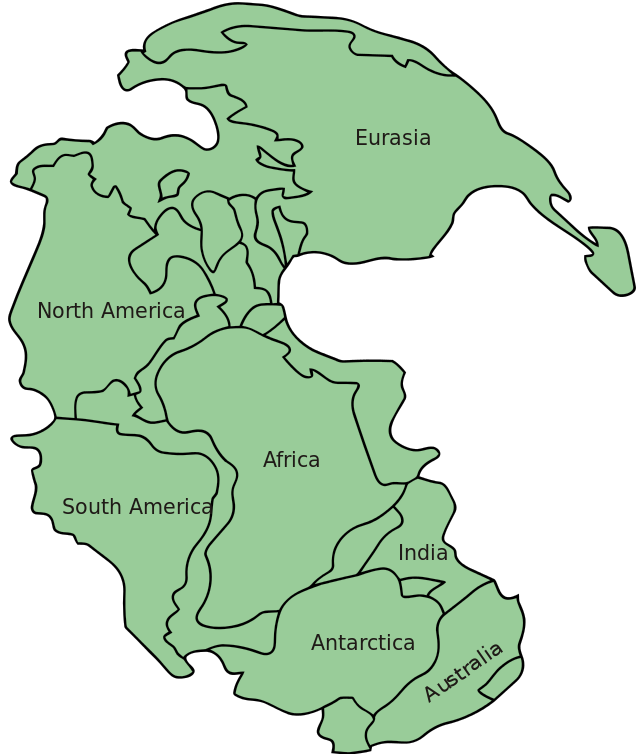
Ancestors of marsupials have been discovered in China in rocks from around 120 million years ago. Back then, all the continents as we know them today were joined together as one enormous landmass, Pangaea. It began to break apart around 100 million years ago: slowly being ripped apart by enormous tears in the crust that wept thick, hot magma, pushing land in opposite directions. This was painstakingly slow: about the rate of your finger nails growing in a year.

Almost all the current continents in one place. The supercontinent, Pangea. (Image from here)

Almost all the current continents in one place. The supercontinent, Pangea. This slowly split apart into different landmasses. But note the position of the continents were know today. (Image by Wiki user Kieff, from here)

The earliest definite marsupial fossils we currently know of are from present day Montana, North America, dating to around 65 million years ago. North and South America began to split apart around this time, but not before some marsupials made it to South America. In North America they became extinct, but they thrived down south, hopping across what we would call Antarctica and east to Australia (all of which were connected). As Australia slowly split away from Antarctica, it drifted along the asthenosphere, isolated from the rest of the world. Here, with fewer placental mammals to contend with, the marsupials were free to evolve into some incredible forms. From the largest marsupial to have lived, Diprotodon optatum to the familiar kangaroos hopping around today Australia was home to amazing creatures. This really was “The Lost Continent” slowly drifting, evolving its own magnificent animals.

"Australia (orthographic projection)" by Ssolbergj - Own work,This vector image was created with Inkscape.Aquarius.geomar.de. Licensed under CC BY-SA 3.0 via Wikimedia Commons - http://commons.wikimedia.org/wiki/File:Australia_(orthographic_projection).svg#mediaviewer/File:Australia_(orthographic_projection).svg

The lonely continent of Australia. Isolated for millions of years providing the opportunity for the evolution of the most incredible marsupials. (Graphic by by Ssolbergj – image from here.)

Unique to Australia are the familiar kangaroos, the family (Macropodidae) that is a very large and diverse group which not only includes the kangaroos we are familiar with, but also the tree-kangaroos, wallabies and several others. Commonly, ‘kangaroo’ refers to the large, bipedal, hopping marsupials, of which there are four species alive today; the Red Kangaroo (Macropus rufus), the Eastern Grey Kangaroo (Macropus giganteus), the Western Grey Kangaroo (Macropus fuliginosus) and the Antilopine Kangaroo (Macropus antilopinus). In the recent past, there were others. There were some so bizarre they could have dropped straight out of a B-movie.

The Giant Short-Faced Kangaroo (Procoptodon goliah) was perhaps the strangest of all the kangaroos. It would have peered down on me with my mediocre 6ft height: reaching 6ft 6inches this was the largest kangaroo ever. Undoubtedly strong, this giant would have had no problem with the surprisingly difficult Patrick Swayze lift, picking me up with ease and lifting me 3 meters from the ground. Chances are if we actually met one today that wouldn’t happen. Apart from it being pretty unlikely they would have seen Dirty Dancing, P. goliah have very peculiar fingers which are not adapted for such delicate lifts: the two middle fingers on each hand were elongated ending in sharp claws. The feet were peculiar too as they ended with a hoof-like toe, shaped like a claw. This was unlike any kangaroo you have seen before.

As the name suggests, the Giant Short-Faced Kangaroo, had a flat face, not the familiar deer-like elongated nose of kangaroos today. Richard Owen (who else?) originally described this creature as a fossil belonging to the genus of extant kangaroos, Macropus, but later assigned it to a whole new Genus, ProcoptodonP. goliah belongs to the now extinct Sthenurinae subfamily which shared the feature of a hoof-like toe at the end of each foot. With two main groups which split sometime during the Pliocene, the long snouted (Dolichocephalic) and the short snouted (Brachycephalic), the Sthenurinae were a very successful branch of kangaroos.

The Giant Short-Faced Kangaroo on an Australian stamp. Note the rather big and sharp claw on the foot, and the elongated fingers. (Image from here)

A beautiful illustration of the Giant Short-Faced Kangaroo on an Australian stamp  (Illustration by Peter Trusler). Note the rather big and sharp claw on the foot, and the elongated fingers. (Image from here)

Fossils of the Giant Short-Faced Kangaroo have been found across Australia. From the first finds in the mid-1800s at Lake Menindee, New South Wales, to Darling Downs in Queensland this appears to have been a widely spread species. Recently, in 2002, a spectacular site in Western Australia, Nullarbor Caves, was found to hold full skeletons of the Giant Short-Faced Kangaroo along with several species of Australia’s unique Pleistocene fauna. Interestingly, while Nullarbor sounds like it could be an aboriginal place name, it actually comes from the Latin for “No Trees”: Nullus Arbor!

The geographical distribution across Australia indicates that this was a species well adapted to a variety of environments. Associated fossils and pollen excavated at Nullarbor show semi-arid areas, whereas fossils and deposits in the east indicate a wetter, colder environment. This giant was at home both in the wet forests and out in the open

Although that sharp spiked hoof-toe may have been used in combat between other males competing for a female, it would have been a good defence against predators. And the Australian Pleistocene was not short of predators. Pretty big predators. Fossils of the largest lizard ever, Megalania, have been found at locations where P. goliah has been excavated. Several perfectly preserved skeletons of the incredible Marsupial Lion (Thylacoleo carnifex) have been found at the Nullarbor Caves along with the Giant Short-Faced Kangaroo. Did the marsupial lion drop down from trees onto these freaky looking kangaroos to feast?

What Procoptodon goliah actually ate isn’t very clear. Many have suggested it was a generalist browser with the long arms and those hooked hands used to pull down branches. What if this kangaroo ate meat as well as vegetation? Some of the features of the skeleton do suggest an omnivore lifestyle. The face was flat with eyes facing forwards, a feature of predators who need their eyes looking ahead to focus on prey (herbivores on the other hand have eyes at the side of their heads; think of zebras on the Serengeti). The long hooked arms may have been used to catch small reptiles or mammals to feed on. Large, robust molars indicate feeding on tough vegetation, but can it be ruled out that this diet was supplemented by the occasional little koala?

The extremely large teeth of an unknown Sthenurus species. Not too dissimilar to Proctodon goliah. (Image "Sthenurus" by Enlil Ninlil2 - Own work. Licensed under CC BY-SA 3.0 via Wikimedia Commons - http://commons.wikimedia.org/wiki/File:Sthenurus.jpg#mediaviewer/File:Sthenurus.jpg From here)

The extremely large teeth of an unknown Sthenurus species. Not too dissimilar to Procoptodon goliah. (Image by Wiki user Enlil Ninlil2 from here)

This was an unusual kangaroo, and as more fossils are studied, more information about this incredible giant’s lifestyle will be revealed. This was recently demonstrated by a study into how this enormous beast moved. Very recent research examining the extremely well-preserved leg bones of specimens excavated from Nullarbor Caves has provided an unusual insight into the giants gait. Instead of hopping, as you would expect a kangaroo to do, it appears Procoptodon goliah walked. Ankle and hip fossils suggest that it would have stood upright and walked one step at a time. There appears to be a maximum size limit: hopping for a kangaroo this size would have ripped tendons in the feet and legs. Big hips also point towards another feature unique to bipedal animal: large buttocks. Big butts actually help support our bodies when we lift one leg up to walk. And we can not lie.

Humans did see these animals before they became extinct. Island hopping from Asia, humans crossed into Australia sometime around 50,000 years ago. These two bipeadal mammals overlapped for around 20,000 years before the giants vanished. There are still stories amongst the Australian aborigines with descriptions of what could only be the Giant Short-Faced Kangaroo.

Although they overlapped, there is little evidence of human butchery on fossil remains. Australia was a continent where the climate was changing constantly. Forests shrank as the climate became drier, and some areas experienced extreme droughts. Local extinctions may have taken place, leaving small refugia clinging on which never managed to regain the numbers they once had. To witness a mob of flat-faced, big bottomed kangaroos walking across the landscape surely must have been one of the most wonderful sights our species has ever witnessed.

Written by Jan Freedman (@JanFreedman)

Further reading:

Field, J & Wroe, S. (2012), ‘Aridity, faunal adaptations and Australian Late Pleistocene extinctions’, 44 (1) pp.56-74.  [Full article]

Helgen, K. M., et al. (2006). “Ecological and evolutionary significance of sizes of giant extinct kangaroos”. Australian Journal of Zoology 54 (4): 293–303. [Abstract only]

Janis, C M, Buttrill, K & Figueirido, B (2014). Locomotion in Extinct Giant Kangaroos: Were Sthenurines Hop-Less Monsters?” PLoS ONE 9 (10). [Full article]

McGowan, C. P. Skinner, J. & Biewener, A. A. (2008), ‘Hind limb scaling of kangaroos and wallabies (superfamily Macropodoidea): implications for hopping performance, safety factor and elastic savings’, Journal of Anatomy. 22 (2). pp.153-163. [Full article]

Merrilees, D. and Ride, W. D. L. 1965. Procoptodon goliah (Macropodidae, Marsupialia) from western Eyre Peninsula, South Australia. Transactions of the Royal Society of South Australia 89, 139-142.

Owen, R. 1873. Procoptodon goliah, Owen. Proceedings of the Royal Society of London 21, 387.

Owen, R. (1874) ‘On the fossils mammals of Australia – Part VIII. Family Macropodidae: Genera Macropus, Osphranter, Phascolagus, Sthenurus and Protemnodon. Philisophical Transactions of the Royal Society. 164. pp.245-287. [Full article]

Prideaux G, (2004). “Systematics and evolution of the Sthenurine kanagroos’, University of California Publications in Geological Sciences 146: 1. [Full article].

Prideaux, G. J. et al. (2009), ‘Extinction implications of a chenopod browse diet for a giant Pleistocene kangaroo’, PNAS. 106 (28). pp.11646-11650. [Full article]

Tedford, R. H. (1967), ‘The fossil Macropodidae from Lake Menindee, New South Wales’, University of California Publications in Geological Sciences 64: 1-165. [Book]

Posted in Giant Short-Faced Kangaroo | Tagged , , , , , , , , , , , , , , , , , , , , , , , , , , , , , , , , , , , , , | 8 Comments

The gentle giant

I blame Belfast Zoo for my lemur addiction. It’s a rather super place with a remarkable success rate in breeding rare species. If you visit, you’ll find that part of the tour allows you to walk through a beautiful large grove where lemurs roam freely. They’ll run out in front of you with their adorable little babies on their backs, and sometimes they may sit observing you with a cheeky little look, and maybe, if you’re lucky, one may whizz past you close enough to feel their soft, almost rabbit-like fur brush against your legs. A lot of those ring-tail lemurs have the attitude of the party-loving King Julien of the Madagascar animated films!

The four extant families of modern lemurs (Lemuridae, Cheirogaleidae, Lepilemuridae, and Daubentoniidae) all share an ancient lineage. Although fossil lemurs are very rare, molecular phylogenetic studies suggest that lemurs split from lorises around 65 million years ago.

A beautiful "Lepilemur sahamalazensis c" by Lepilemur_sahamalazensis (Image from here)

A beautiful lemur, Lepilemur sahamalazensis by Lepilemur_sahamalazensis (Image from here)

These unique creatures only exist in Madagascar, and no-one is entirely sure why. This large island has been isolated for over 88 million years. Many have hypothesised their ancestors, like  groovy King Julien liked to ‘move it –move it’ and crossed the 400 km from Africa to the exotic island via temporary landbridges thrown up by seismic activity, then got cut off when they subsided. Others have considered the creatures as having originated in India, and accidentally ‘rafted’ across the oceans on plant material, all through primate curiosity! As no truly ancient fossils have yet been discovered on the island of Madagascar, the paleontological record relies on subfossils dating between 8kya and 500 years ago.

It’s within these remarkably recent subfossils that evidence was found of a very different kind of lemur than our rather cute, tiny, furry ring-tailed pals in modern zoos – the giant lemurs, or Palaeopropithecidae.  There are presently four known genera within this clade, although new subfossils could very well turn up within excavations- there is much yet to be discovered. The biggest of the Palaeopropithecidae was the gorilla-sized Archaeoindris fontoynontii: the biggest lemur ever discovered, and still an exciting, cuddly and massive enigma.

There’s so much we have to speculate about the amazing A. fontoynontii, as unbelievably, there has only ever been one complete skull found, during French palaeontologist Charles Lamberton’s 1930s excavations at Ampasambazimba, Madagascar. No subfossils have yet been found anywhere else on the island, so it is assumed there were never large populations of this creature. That precious skull is now kept at the University of Antananarivo.  However, fragments of mandible and long bones had been found during the first decade of the 20th century by the scholarly missionary and palaeontogist, Herbert Standing, so the quest was on to discover more about this huge, mysterious lemur.

A cast of the only complete skull of the giant lemur, (Iamge by wiki member Ghedo, from here)

A cast of the only complete skull of the giant lemur, Archaeoindris fontoynontii. Cast on display at the Museum National d’Histoire Naturelle de Paris.  (Image by wiki member Ghedo, from here)

Many errors were made with regards to the phylogeny of Archaeoindris fontoynontii, and it really wasn’t until 1988, with revolutionary work carried out by Martine Vuillaume-Randriamanantena of the University of Antananarivo, that it was understood which giant lemur was related to which! This work was developed by Ludovic Orlando’s team in 2007, working on ancient DNA. We now know that A. fontoynontii was related to other, slightly smaller giant lemurs Palaeopropithecus, and Babakotia.

The huge, but cuddly, A. fontoynontii takes its name from an extant relative, the cute little Indri lemur. This small lemur is a relative of the giant, but the name also gives a little nod to a Madagascar academic, Antoine Fontoynont who supervised Standing and his team during excavations in 1909.

Imagine, if you will, this unique and rare primate slowly and masterfully striding out across the forested landscape – although it’s also possible it was also capable of some slow, purposeful swinging should the sturdiness of branch allow it! It’s been estimated it weighed over 160kg, with a wide face, and rather peculiar protrusions close to its nostrils (some feature evolved through sexual selection perhaps?). Despite its rather intimidating size and obvious power,  the teeth of this gentle giant  indicate that it loved nothing better than to munch away on foliage, which it’s reckoned it sourced mostly from  the upper branches of trees rather than ground-level shrubbery. If it did manage the odd stately tree-swing, it must have been a pretty impressive and slightly unnerving sight.

Madagascar is not just an aesthetically beautiful island, but is a unique place due to its millions of years of isolation resulting in incredible variations in biodiversity and ecosystems, geographical features and climates within a relatively small area. Dental analysis on the limited amount of specimens available has shown that the feeding areas of A. fontynontii decreased as time passed, possibly suggesting a very direct impact from human land-management activities. Human colonisation has not been limited to one period of prehistory, although there are long periods of time for which we know almost nothing. This has been where palaeoecology has come to the rescue, providing a framework of land-use change. Established dates show definite human agricultural activity during the 5th century BC, with Cannabis and Humulus (Hops) visible in palynology assemblages. However, there’s a number of archaeological sites showing evidence of burning through the Holocene period 4-10kya, although this decreased considerably from 3kya. It’s very possible the burning was part of a landnám phase of forest clearance for settlements, agricultural activity and even sacred, ritual spaces.

None of this would have boded well for already rare creatures whose size required expanses of forest to inhabit for safety and feeding. There’s a dramatic decline in megafauna c.  AD 230–410 (calibrated), which coincides with a drastic decline in Sporormiella spp. fungi, which thrives on decaying organic matter and (there’s no polite way to put this) animal poo- the sorts of things you’d find in a luscious forest rich in biodiversity. The decline of this fungus is followed by another wave of burning.  As the forests were steadily cleared, the death knell of all of the giant lemurs had just tolled. As earlier prehistoric pollen records show that really severe climate changes of the past had little or no discernible effect on megafaunal extinction. Around 2000 BC the southwest of the island was very dry, while woodlands increased in the centre of the island (where A. fontynontii lived, oddly enough) because of higher moisture and lower temperatures.

The fossil skull of another extinct lemur, Palaeopropithicus maximus. There is evidence that humans hunted some lemur species. Image by "Palaeopropithecus maximus skull 5" by Ghedoghedo (Image from here)

The fossil skull of another extinct lemur, Palaeopropithicus maximus taken at the Museum National d’Histoire Naturelle de Paris.. There is evidence that humans hunted some lemur species. Image by wiki member Ghedoghedo (Image from here)

Perhaps the most sinister archaeological evidence is the discovery of Palaeopropithecus bones with very clear butchery marks on them. As Palaeopropithicus was a smaller ‘relative’ of Archaeoindris, it would seem fairly likely humans also hunted and consumed the mightiest of the giant lemurs. The radiocarbon dates for the Archaeoindris bones we have are incredibly late – even calibrated they are between the 5th and 1st centuries BC, at a time when land cultivation was most certainly occurring island-wide. The blame for the extinction of these creatures must be placed firmly with Homo sapiens.

A sad story, but there is a strange footnote to add. There is a crazy chance that there may be actual, recorded eye-witness accounts of the last of the giant lemurs. Flacourt recorded in his travelogue of 1661 that villagers knew of a rare and solitary creature they called the tretretre, which was, described as being as “large as a two year old calf, with round head and human face, but both fore and hind feet are like a monkeys. It has frizzy fur and a short tail, and ears like a man’s.”  However, there is the ominous ending in this recollection that the tretretre was always alone.

Written by Rena Maguire (@JustRena)

Further Reading:

Blanco, M. B., Dausmann, K. H., Ranaivoarisoa, J. F. & Yoder, A. D., (2013), ‘Underground hibernation in a primate’. Scientific Reports. 3. pp.1768.1-4. [Full article]

Burney, D. A; et al. (2004), ‘ A chronology for late prehistoric Madagascar’ Journal of Human Evolution. 47. pp.25- 63. [Full article]

Burney, D. A., Robinson, G. S.  & Burney, L. P., (2003), ‘Sporormiella and the late Holocene extinctions in Madagascar’. Proceedings of the National Academy of Sciences, USA. 100 pp.10800-10805. [Full article]

Burney, D. A., et al. (1997), ‘Environmental change, extinction and human activity: evidence from caves in NW Madagascar’. Journal of Biogeography. 24. pp.755-767. [Abstract only]

Crowley, B. E. (2010), ‘A refined chronology of prehistoric Madagascar and the demise of its megafauna’. Quaternary Science Reviews. 29. pp.2591-2603. [Full article]

Flacourt, É. (1661). Histoire de la Grande Ile de Madagascar. Paris: IDALCO

Godfrey, L. R., et al. (2012), ‘Dental topography indicates ecological contraction of lemur communities’. American Journal of Physical Anthropology. 148(2). pp.215-227. [Abstract only]

Godfrey, L. R., & Irwin, M. T. (2007), ‘The evolution of extinction risk: Past and present anthropogenic impacts on the primate communities of Madagascar’. Folia Primatologica. 78 (5). pp.405-419. [Full article]

Godfrey, L. R., & Jungers, W. L. (2003). ‘The extinct sloth lemurs of Madagascar’. Evolutionary Anthropology: Issues, News, and Reviews. 12 (6). pp.252-263. [Abstract only]

Jungers, W. L. (1990), ‘Problems and methods in reconstructing body size in fossil primates. Body size in mammalian paleobiology: estimation and biological implications’.  Cambridge: Cambridge University Press. [Book]

Karanth, K. P., et al. (2005). ‘Ancient DNA from giant extinct lemurs confirms single origin of Malagasy primates’. Proceedings of the National Academy of Sciences of the USA. 102 (14). pp.5090-5095. [Full article]

Krause, D. W., (2010), ‘Washed up in Madagascar’. Nature. 463. pp.613-614. [Abstract only]

Muldoon, K. M., et al. (2012), ‘ Early Holocene fauna from a new subfossil site: A first assessment from Christmas River, south central Madagascar’. Madagascar: Conservation & Development. 7 (1). pp.23-29. [Full article]

Muldoon, K. M. and Goodman, S. M., (2010). ‘Ecological biogeography of Malagasy non-volant mammals: community structure is correlated with habitat’. Journal of Biogeography. 37 (6). pp.1144-1159. [Abstract only]

Muldoon, K. M., (2010), ‘Paleoenvironment of Ankilitelo Cave (late Holocene, southwestern Madagascar): implications for the extinction of giant lemurs’. Journal of Human Evolution. 58. pp.338-352. [Abstract only]

Orlando, L., et al. (2008),  ‘DNA from extinct giant lemurs links archaeolemurids to extant indriids’. BMC Evolutionary Biology. 8 (1). pp.121. [Full article]

Simpson, G. G., (1940), ‘Mammals and land bridges’. Journal of the Washington Academy of Sciences. 30. pp.137-163. [Full article]

Standing, H. F. (1909),  “Subfossiles provenant des fouilles d’Ampasambazimba”. Bulletin de l’Académie Malgache. 6. pp.9-11

Stankiewicz, J., Thiart, C., Nasters, J.C. and de Wit, M.J., (2006), ‘Did lemurs have sweepstakes tickets? An exploration of Simpson’s model for the colonization of Madagascar by mammals’. Journal of Biogeography. 33. pp.221-235. [Full article]

Vuillaume-Randriamanantena, M. (1988), ‘ The taxonomic attributions of giant subfossil lemur bones from Ampasambazimba: Archaeoindris and Lemuridotherium’. Journal of Human Evolution. 17 (4). pp.379-391. [Full article]

Posted in Giant Lemur | Tagged , , , , , , , , , , , , , , | 4 Comments

Joseph Leidy’s atrocious baby


American lion reconstruction by Sergiodlarosa via Wikimedia Commons

American lion reconstruction by Sergiodlarosa via Wikimedia Commons

Talk about the American lion today and most people will think you mean the cougar (Puma concolor), a beautiful, lithe predator sadly extinct from most of the Eastern United States, but still doing well in the west, and in South America. However, talk to me about the American lion and we can discuss something a little more exciting: Panthera [leo] atrox! Back in the Pleistocene, lions were “top cat” and had a greater range than puny Homo sapiens: Spain, Siberia, South Africa, Syria were all home to lions (Panthera leo) or cave lions (Panthera [leo] spelaea). So too was North America. Here, a unique subspecies/species had been present since at least the Sangamon interglacial (130-120ka BP) cut off from other lion populations by the thick wall of ice that covered most of Canada. Fossils of this cat have been found as far south as Mexico, but not in South America (reports of lions in Peru are actually supersized jaguars, Panthera onca, testament to how difficult it is to separate the Panthera cats without their distinctive coats). Like its African cousin, the American lion was probably no fan of dense rainforest, which made the isthmus of Darien an impassible barrier.

Statue of Joseph Leidy, holding the Natchez jaw in his left hand.

Statue of Joseph Leidy, holding the Natchez jaw in his left hand. Public domain image.

The first palaeontologist to identify a lion in the American fossil record was the great Joseph Leidy, who found a very interesting piece of mandible with molars, premolars, and canine from the site of Natchez, Mississippi, collected in 1836. The jawbone is massive and covered in a heavy coating of iron oxide. However weird the fossil, Leidy was obviously proud of his inference as he chose to be immortalised in sculpture holding the piece of bone (the statue can be seen beside the academy of natural sciences in Philadelphia). Leidy was the first to suggest that lions had roamed the prairies of North America, but since then researchers have been eager to turn atrox into anything other than a lion! We have ancient DNA evidence that firmly cements the American lion’s position with the cave lion, but luminaries as great as G. G. Simpson preferred to think of atrox as a giant jaguar! This misattribution even continues today, with a recent paper by Christiansen and Harris also calling atrox a jaguar.

If not a jaguar, what exactly is Panthera leo atrox? Above all else, it was a truly enormous cat. Considerably larger than the sympatric sabretooth Smilodon fatalis, and probably the largest felid that ever lived, the average American lion was about 25% larger than the largest African lion, with a noticeably different look. Probably maneless (like the cave lion) but with longer legs and a proportionally smaller skull, it was a group-living animal (but with smaller pride size). Evidence for this can be found in the remains of P. atrox from the incredible tarpit site of Rancho la Brea in greater Los Angeles, where it is the fourth most common fossil carnivore after dire wolf (Canis dirus), dirktooth (S. fatalis), and coyote (C. latrans). [Even so, there are approx. 30 Smilodon bones for every atrox]. At la Brea, there is an excess of young males; in African lions, this is the period when they would be leaving the natal pride to set out on their own for the first time- at this critical age curiosity can kill the cat.

Bottom to top: African lion (Panthera leo), cave lion (Panthera spelaea), American lion (Panthera atrox)

Bottom to top: African lion (Panthera leo), cave lion (Panthera spelaea), American lion (Panthera atrox). Image © Nobuyuki Yamaguchi

Another site, famous for its American lion fossils is Natural Trap Cave (NTC) in Wyoming. This cave consists of an 80-foot drop from a semi-concealed roof entrance that was rapidly fatal to any animal unlucky enough to plunge down it. A semi-articulated lion skeleton (KUVP31417/KUVP33057) consisting of skull, mandible, left femur, tibia, and fibula was found there. This lion was a real survivor, prior to its tumble down the hole. The teeth are worn practically to the gum, while the leg bones show signs of osteoarthritis so severe that it probably had trouble walking. Maybe the short, sharp drop was a kinder ending for this animal than the inevitable slow decline into starvation that awaited it. The lion material is so well preserved that it was one of the few American sites to contain ancient DNA (see Barnett et al.). NTC was in the news last year (2014) as it was reopened for study for the first time in 30 years by a plucky group of speleologists, geologists, and palaeontologists looking to collect some more fabulous data from this crucial site. Much of the excavation was livetweeted by @laelaps, @paleololigo, and @johnlogsdon, so pay attention to them for further updates!

Written by Ross Barnett (@DeepFriedDNA)

Further Reading:

Barnett, R., B. Shapiro, I. Barnes, S. Y. W. Ho, J. Burger, N. Yamaguchi, T. F. G. Higham, et al. “Phylogeography of Lions (Panthera Leo Ssp.) Reveals Three Distinct Taxa and Late Pleistocene Reduction in Genetic Diversity.” Molecular Ecology 18, no. 8 (2009): 1668-77. [Full Text]

Burns, J. A., and R. R. Young. “Pleistocene Mammals of the Edmonton Area, Alberta. Part 1. The Carnivores.” Canadian Journal of Earth Sciences 31 (1994): 393-400.[Abstract]

Christiansen, P., and J. M. Harris. “Craniomandibular Morphology and Phylogenetic Affinities of Panthera Atrox: Implications for the Evolution and Paleobiology of the Lion Lineage.” [In English]. Journal of Vertebrate Paleontology 29, no. 3 (Sep 12 2009): 934-45.[Abstract]

Kurtén, B. “The Pleistocene Felidae of Florida.” Bulletin of the Florida State Museum Biological Sciences 9, no. 216-273 (1965).[Full Text]

Leidy, J. “Description of an Extinct Species of American Lion: Felis Atrox.” Transactions of the American Philosophical Society 10 (1853): 319-21.[Full Text]

Martin, L. D., and B. M. Gilbert. “An American Lion, Panthera Atrox, from Natural Trap Cave, North Central Wyoming.” Contribs. to Geology, Univ. Wyoming 16, no. 2 (1978): 95-101.[Abstract]

Merriam, J. C., and C. Stock. The Felidae of Rancho La Brea. Carnegie Institute of Washington Publications, 1932.[Book]

Montellano-Ballesteros, M., and G. Carbot-Chanona. “Panthera Leo Atrox (Mammalia: Carnivora: Felidae) in Chiapas, Mexico.” The Southwestern Naturalist 54, no. 2 (2009): 217-22.[Abstract]

Simpson, G. G. “Large Pleistocene Felines of North America.” American Museum Novitates 1136 (1941): 1-27.[Full Text]

Stock, C. “A Census of the Pleistocene Mammals of Rancho La Brea, Based on the Collections of the Los Angeles Museum.” Journal of mammalogy 10, no. 4 (1929): 281-89.[Abstract]

Wheeler, H. Todd., and G. T. Jefferson. “Panthera Atrox: Body Proportions, Size, Sexual Dimorphism, and Behaviour of the Cursorial Lion of the North American Plains.” In Papers on Geology, Vertebrate Paleontology and Biostratigraphy in Honor of Michael O. Woodburne, edited by L. B. Albright III. Flagstaff, Arizona: Museum of Northern Arizona Bulletin, 2009.[Full Text]

Yamaguchi, N., A. Cooper, L. Werdelin, and D. W. MacDonald. “Evolution of the Mane and Group-Living in the Lion (Panthera Leo): A Review.” Journal of Zoology 263 (2004): 329-42.[Abstract]

Posted in American Lion | Tagged , , , , , , , , , , | 15 Comments

A Very English Panda

The Red Panda (Ailurus fulgens)

The Red Panda (Ailurus fulgens) Public domain image

I was always rather glad that the delightful cartoon Kung Fu Panda gave suitable publicity to the Red Panda. Veteran actor Dustin Hoffman voiced the feisty little martial arts maestro of the film and I know from my own daughter and her friends, a lot of young’ns decided to google real red pandas. We have them in our zoo here and they’re like sweet little ginger dogs who can climb. If the truth be known, I do prefer them to the dozy black-and-white varieties. The modern ones are fascinating enough in their own right, since modern DNA analysis has identified that they are a family within themselves – the Ailuridae, who link into the taxonomic superfamily of Musteloidea. Their close extinct relatives, Parailurus no longer walk the earth, and extant populations of red pandas are limited to regions of China and Tibet.

However, when I’ve stood and watched these wily wee imps frolic in light dustings of snow up at Belfast Zoo, I didn’t realise that their relatives once played amid the first flurries of snow heralding the beginnings of the Ice Age in the UK.   It’s true – in the UK we had our very own red pandas. Let me introduce to you all Parailurus anglicus, the English Red Panda!

To start this rare story we have to go back to 1888 when Professor Dawkins (no, not that one; this one is William Boyd Dawkins, and was the first serious cave-archaeologist) discovered fragments of bones, including teeth, of a strangely familiar mammal. It looked like our little modern Red Panda, only about double the size. These bones were only some of the amazing finds discovered at Red Crag, near Felixstowe in Suffolk – back in 1846 Richard Owen also identified the first ancient cougar (Puma pardoides) known to the ‘modern’ world.

A quick word about Red Crag, before we go further, as it’s actually an important ‘character’ in this story. It’s a sandy and sediment-based formation on the Essex/Suffolk coast, dating to around 2.5 million years ago. It’s a phenomenal palaeoenvironmental site, and has yielded not just fossils of marine creatures of the Pliocene/Pleistocene transitional period, but also mammals, birds and pollen. A lot of the creatures whose remains have been found in the gritty red sediments belong to the very end of the Pliocene, when temperatures were considerably warmer. Finding the remains of a Red Panda in such a deposit verified Dawkins’ suspicions of a very different landscape just over 2.5 million years ago. The Britain of this period would have had closed forests filled with now extinct vegetation which preferred warmer temperatures. This was the landscape of Parailurus anglicus, the very English Panda.

Ailurus fulgens skull. Photo by Eviatar Blech via Wikimedia Commons

Ailurus fulgens skull. Photo by Eviatar Bach via Wikimedia Commons

The English Panda may have been roughly double the size of today’s little dog-sized chaps, it was not terribly different in shape.  Although Parailurus is related to the modern Ailuridae, it became clear this extinct critter was a separate genus, because of its teeth. P. anglicus has a very distinctive upper fourth premolar, which is longer than it is wide. This difference makes it very different from related modern animals. Other bones were found during the 19th and 20th centuries across Europe, and the jury is still out if the skull found in Romania, which was given the synonym of Parailurus hungaricus, is the slightly smaller female of P. anglicus.  Specimens of these have been found in Wölfersheim, in Germany, Arondelli in Italy, a couple of places in Slovakia and in Boynton, Britain. The English Panda was quite the European, it would appear!

All pandas, ancient and modern, love to eat bamboo. Well, they actually need to eat bamboo, as they cannot metabolise cellulose, although they do sometimes supplement their diet with fish, small birds, eggs and fruit. A recent experiment run for two weeks on some modern red pandas showed they much preferred new bamboo leaves and tender shoots to the tougher, mature parts of the plant. Maybe that’s what the unique molars of P.anglicus was adapted for. There’s considerable evidence that bamboo grew in the dense Early Pleistocene forests of 2 million years ago. Pollen records in Poland show the growth of Bambusa lugdunensis. This kind of environment would have been very comfortable for P. anglicus, who despite having the sharp teeth of a carnivore, are basically herbivorous.

Ailurus fulgens doing what it does best: eating. Public domain image.

Ailurus fulgens doing what it does best: eating. Public domain image.

In 1977 a new species of Parailurus was found, in the American state of Tennessee at the Gray Fossil site. It was named Pristinailurus bristoli, and it pre-dates Parailurus anglicus considerably. P. bristoli is obviously closely linked to their European and Eurasian Pliocene/Pleistocene cousins as they are remarkably similar, both physically and genetically.  It’s entirely possible that Pristinailurus bristoli migrated from the New World to Eurasia, either filling an environmental niche, or interbreeding with earlier Eurasian members of the genus.

After all, the bamboo growing from Eurasia, right across to Alpine regions of Europe was pretty tempting for a peckish little panda. There is no indication that bamboo ever grew in Tennessee, even during earlier, milder temperatures than the peri-glacial phases of the early Pleistocene. It could be that a native wetland plant, the river cane (Arundinaria gigantea), substituted as food for the species. However, it is equally possible that the Tennessee panda had adapted to subsist on non-bamboo leaves. Or – and this may be more likely – the pollen of the bamboo has been identified as Poaceae, or grass. If this is the case, then the pollen assemblages of Red Crag, back in lovely Sussex, starts to make a lot more sense regards the English panda of the Early Pleistocene.

I’ve had a peep at bamboo pollen, and I can say it looks reasonably like grass (Poacea) pollen. There are differences under a good, high powered electron microscope, but if the pollen samples were a bit battered, or, heavens forbid, bloated after a wonky acetolysis treatment, they could look very like a common or garden grass pollen with a handy ‘spp’ stuck after it on a diagram! They’re big, simple monoporate (one pore) grains, and I hate to admit it, but I could have mistaken them for Secale (rye) very, very easily!  They could easily be grouped as rather sorry-for-themselves poacea spp. or graminidites. Needless to say, Red Crag’s pollen assemblages include those possible suspects, suggesting that some kind of bamboo could indeed have been growing there at the start of the Pleistocene, some 2.4 to 2 million years ago, when our panda pals were living there. The environmental study of Red Crag also shows beautiful dinoflagellates (they’re some of my favourite things!) and foraminifera suited to a warm/ temperate environment. The pollen record indicates fluctuation between boreal and mixed coniferous-deciduous forest, perhaps hinting at the palaeoclimatic changes which were about to happen.

So, was Parailurus anglicus (and hungaricus) the descendant of a migrant New World critter who had followed the trail of juicy European and Eurasian bamboo forests? It’s possible, and may answer why this little chap became extinct. It depended on a very special diet which needed particular climatic conditions to grow. This is one of the few creatures who cannot point the paw at humans for their demise. We ourselves were only starting our journey as a species when these little ones were chattering in the forests. There was a much bigger, earth changing reason for the demise of P. anglicus and their kind.

Around 2. 5 million years ago, the climate started to change. The first continental ice sheets were developing, and as such, Early Pleistocene temperatures across Europe started to decline, slowly and gradually at first. This of course started to reflect in the vegetation coverage of forested areas. There were progressively longer periods of landscapes opening as the ice sheets inched their way south. At around 2.6 million years there had also been an electromagnetic reversal of the earth, the Matuyama event, and the environmental implications of that aren’t really understood fully yet.

Bamboo thrives best in wet, slightly loamy soils, with decent drainage. There are some species of bamboo which will grow in cold climates, but we’ve no way of knowing if they were present in Europe or Eurasia during the Early Pleistocene. At any rate, very little would survive the advancing glaciers for long. The only hope for many creatures were refugial zones, scattered across Europe. The little pockets of English panda populations across Europe could not survive as their primary food source gradually became extinct. The populations shrunk back to areas of Asia where bamboo continued to grow, hence the little colonies of Ailurus which exist there today. The English panda was probably one of the earliest victims of the advancing glaciers of the Ice Age which would reshape our islands, and our world so drastically.

Written by Rena Maguire (@justrena)

Further Reading:

Anon. 2014.  Available at:  http://landscaping.about.com/od/tropicalplants/f/how_grow_bamboo.htm

Cameron, T. D. J., Bonny, A. P., Gregory, D. M., and Harland, R. 1984. ‘Lower Pleistocene dinoflagellate cyst, foraminiferal and pollen assemblages in four boreholes in the Southern North Sea’. Geological Magazine. 121. 2.  85-97. [Abstract]

Dawkins, W. B. 1888. ‘On Ailurus anglicus, a new carnivore from the Red Crag’. Quarterly Journal of the Geological Society44.  228-231 [Full Text]

Head, M. J. 1998.  ‘Pollen and dinoflagellates from the Red Crag at Walton-on-the-Naze, Essex: evidence for a mild climatic phase during the early Late Pliocene of eastern England’. Geological Magazine. 135. 6. 803-817.[Abstract]

Kurten, B. 1968. Pleistocene Mammals of Europe. London: Weidenfeld and Nicholson [Book]

Lisiecki, L. and Raymo, M., 2005. ‘A Pliocene-Pleistocene stack of 57 globally distributed benthic D18O records’. Palaeoceanography 20.[Full Text]

Mathers, S. J.,and  Zalasiewicz, J. A. 1988. ‘The Red Crag and Norwich Crag formations of southern East Anglia’. Proceedings of the Geologists’ Association. 99.4. 261-278.[Abstract]

Matishov, G. G., and Kalmykov, N. P.  2011. .Red pandas (Mammalia, Carnivora: Parailurus) in the biomes of North Eurasia and North America’. Earth Sciences. 438. 1. 727-729.[Abstract]

Ruddiman, W.F., 2006. ‘Orbital changes and climate’. Quaternary Science Reviews. 25. 3092-3112 [Abstract]

Sabol, M., Holec, P., and Wagner, J. 2008. ‘ Late Pliocene carnivores from Včeláre 2 (Southeastern Slovakia)’. Paleontological Journal. 42.5. 531-543. [Full Text]

Thierens, M., Pirlet, H., Colin, C., Latruwe, K., Vanhaecke, F., Lee, J. R., & Henriet, J. P. 2012. ‘ Ice-rafting from the British–Irish ice sheet since the earliest Pleistocene (2.6 million years ago): implications for long-term mid-latitudinal ice-sheet growth in the North Atlantic region’. Quaternary Science Reviews. 44. 229-240.[Abstract]

Wallace, S. C. (2010). Advanced Members of the Ailuridae (Lesser or Red Pandas À Subfamily Ailurinae). Red Panda: Biology and Conservation of the First Panda, 43. [Book]

Wei, F., Feng, Z., Wang, Z., Zhou, A., and Hu, J. 1999. ‘Use of the nutrients in bamboo by the red panda (Ailurus fulgens)’. Journal of Zoology. 248.4. 535-541.[Abstract]

Worobiec, E., and Worobiec, G. 2005. ‘Leaves and pollen of bamboos from the Polish Neogene’. Review of Palaeobotany and Palynology. 133. 1-2. 39-50[Abstract]

Worobiec, E., Worobiec, G., and Gedl, P. 2009. ‘Occurrence of fossil bamboo pollen and a fungal conidium of Tetraploa aristata in Upper Miocene deposits of Józefina (Poland)’. Review of Palaeobotany and Palynology. 157. 3. 211-217.[Abstract]


Posted in Red Panda | Tagged , , , , , , , , , , , , , , , , , , , | 7 Comments

Paddington’s dangerous cousin

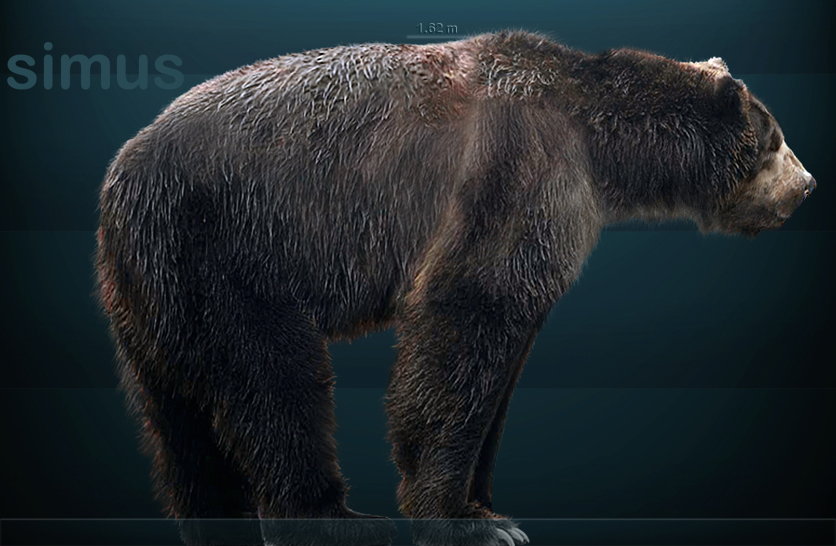
Arctodus simus by Sergiodlarosa via Wikimedia Commons

Arctodus simus by Sergiodlarosa via Wikimedia Commons

North and South America were the last continents to be conquered by humans. We have been in Africa since we first evolved, Europe and Asia for over a million years, in Australia for about 60,000 years, but in the Americas for only about 15,000. Considering that reaching Australia required a treacherous ocean voyage but you could walk to Alaska without getting your feet wet via the flat, treeless, mammoth steppe of Beringia (with plenty of game to hunt en-route), why did it take people so long to reach the promised land? Some researchers have suggested that perhaps people did reach Beringia much earlier, but what they met there prevented them from penetrating any further. Along with the mammoths, cave lions, bison, and horses, Beringia had something else. Something that would have been completely unfamiliar to the humans who encountered it. Something seemingly crafted from our deepest, darkest nightmares. Arctodus simus: the giant short-faced bear may have been the most terrifying land carnivore our species ever encountered.

Today, the polar bear (Ursus maritimus) is the largest land carnivore but 12,000 years ago that title went to a member of the subfamily of bears known as the Tremarctinae. We still have one member of this unique subfamily left; the spectacled bear (Tremarctos ornatus). The only bear found in South America (including deepest, darkest Peru), this predominantly vegetarian teddy is technically the largest carnivore left on that continent, despite being a relatively puny 100-200kg. A sister species, the Florida cave bear (Tremarctos floridanus), also roamed Pleistocene North America. However, their close relative, the giant short-faced bears (genera Arctodus and Arctotherium/ Pararctotherium) were absolutely colossal beasts. Arctotherium/Pararctotherium (opinion is divided on how valid these generic distinctions are) has been found all over South America, even down into southern Patagonia. Arctodus simus has been found at sites all over North America, from Alaska and the Yukon Territory down to Florida and Texas. Whilst we have a mitochondrial genome from Arctodus and know it diverged from the spectacled bear during the late Miocene/early Pliocene, it is not known exactly how closely related Arctodus and Arctotherium/Pararctotherium are to each other. Ancient DNA work is happening right now that should give a handle on the complicated phylogenetics of these bears.

The relatively cuddly spectacled bear (Tremarctos ornatus)

The relatively cuddly spectacled bear (Tremarctos ornatus)

Arctodus simus was an 800kg monster. To give some impression of its size: while on all fours this bear could gaze directly into my eyes (I’m 6’2”). Standing on its hind legs an average bear could reach 12-feet (in fact, the site of Riverbluff cave in Missouri has claw marks 15 feet up on some side walls that were probably produced by a large Arctodus). Another site with Arctodus is Big Bear cave in the Ozark mountains. The articulated skeleton found there is impressive for the amount of information it left about short-faced bear biology. The animal, like many other cave finds, was a small female, which cumulatively suggest that Arctodus females denned (perhaps surprisingly, only one fossil Arctodus baculum has ever been recovered). The Ozark skeleton is also unique in the preservation of fossilised hair at the site.

What natural forces could possibly have conspired to produce a carnivore of such enormous dimensions? Most researchers think that the specialisations present in Arctodus (i.e. long legs, large size, short jaws), are adaptations to a life of extreme hypercarnivory. Long legs allow for efficient movement over a wide home range, necessary to locate carcasses, large size can act as an effective deterrent to other carnivores to scare them off a kill site (kleptoparasitism), and short jaws give extra bone crushing power. It seems that this hypothesis is backed up by good data. Stable isotope analysis of Arctodus remains show elevated ∂15 Nitrogen values- this indicates that Arctodus was consuming a very meaty diet, perhaps with a large component of caribou (Rangifer tarandus). However, as with most things in science, different researchers think that the opposite is true and have concluded that the morphology of short-faced bears indicate a life of herbivory with some omnivory. My money is still on Arctodus simus being one of the biggest and baddest animals ever to have lived.

How badass was it? Well, a very interesting pattern cropped up when palaeontologists were looking at late Pleistocene radiocarbon dates from eastern Beringia. They found that during time periods when Arctodus simus was present (i.e. 20,000-45,000 14C years BP) there is a noticeable lack of other predators (lions, scimitar cats, brown bears). Either the environment was selectively excluding everything but short-faced bears during this time period, or perhaps more likely, Arctodus simus was such an efficient predator/scavenger that there was simply not enough prey biomass left for other carnivores to get a look in. If this was the case, it is perhaps no surprise that human presence in eastern Beringia is only known from after Arctodus’ extinction. Maybe one day we will find an Arctodus coprolite with some evidence of the pre-pre-Clovis pioneers!

Written by Ross Barnett (@DeepFriedDNA)

Further Reading:

Barnes, I., P. Matheus, B. Shapiro, D. Jensen, and A. Cooper. “Dynamics of Pleistocene Population Extinctions in Beringian Brown Bears.” Science 295, no. 5563 (Mar 22 2002): 2267-70. [Full Text]

Christiansen, P. “What Size Were Arctodus Simus and Ursus Spelaeus (Carnivora: Ursidae)?”. Ann. Zool. Fennici 36 (1999): 93-102.[Full Text]

Figueirido, B., J. A. Perez-Claros, V. Torregrosa, A. Martin-Serra, and P. Palmqvist. “Demythologizing Arctodus Simus, the ‘Short-Faced’ Long-Legged and Predaceous Bear That Never Was.” Journal of Vertebrate Paleontology 30, no. 1 (2010): 262-75.[Full Text]

Fox-Dobbs, K., J. A. Leonard, and P.L. Koch. “Pleistocene Megafauna from Eastern Beringia: Paleoecological and Paleoenvironmental Interpretations of Stable Carbon and Nitrogen Isotope and Radiocarbon Records.” Palaeogeography, Palaeoclimatology, Palaeoecology 261 (2008): 30-46.[Full Text]

Krause, J., T. Unger, A. Nocon, A. Malaspinas, S. Kolokotronis, M. Stiller, L. Soibelzon, et al. “Mitochondrial Genomes Reveal an Explosive Radiation of Extinct and Extant Bears near the Miocene-Pliocene Boundary.” BMC Evolutionary Biology 8 (2009): 220.[Full Text]

Matheus, P. “Diet and Co-Ecology of Pleistocene Short-Faced Bears and Brown Bears in Eastern Beringia.” Quaternary International 44 (1995): 447-53.[Abstract]

Prevosti, F. J., L. H. Soibelzon, A. Prieto, M. San Roman, and F. Morello. “The Southernmost Bear: Pararctotherium (Carnivora, Ursidae, Tremarctinae) in the Latest Pleistocene of Southern Patagonia, Chile.” [In English]. Journal of Vertebrate Paleontology 23, no. 3 (SEP 12 2003): 709-12.[Abstract]

Schubert, B. W., and J. E. Kaufmann. “A Partial Short-Faced Bear Skeleton from an Ozark Cave with Comments on the Paleobiology of the Species.” Journal of Cave and Karst Studies 65, no. 2 (2003): 101-10.[Full Text]

Posted in Short Faced Bear | Tagged , , , , , , , , , , , , , , , , , , , , , , , , | 102 Comments

The bizarre elongated llama

In the Hitch-Hikers Guide to the Galaxy, landscape manufacturer Slartibartfast likes to take elements of his favourite geological features and pop them together to make something extra special – allegedly how Scandinavia came about! On finding out about Macrauchenia, the last of the ancient and indigenous South American litopterns, I reckon old Slartibartfast must have had a bit of input in the creation of this seemingly impossible, wonderful creature.

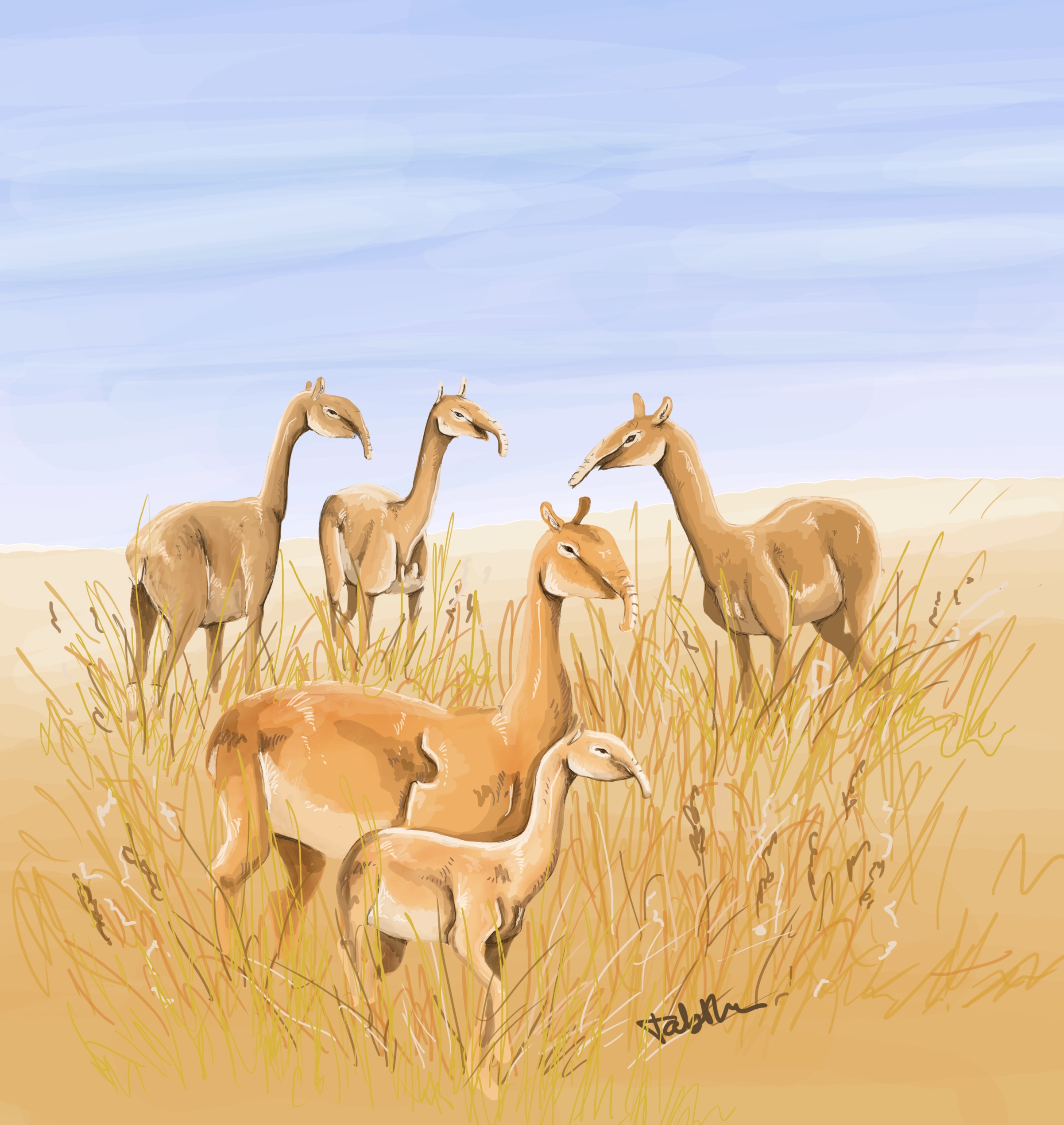
Imagine a creature with the height (around 3m) and body of a humpless camel, legs that basically don’t match (the elongated upper portions of the front legs were made for high speed running, while the back legs were shorter, making it look as if it were crouching), terminating in cute little triple toed rhino-like trotters. Now, let’s add a long elegant neck, and a delicately pretty llama-like face (the name Macrauchenia means ‘elongated llama’, funny enough), ending in what some believe to be a little muscular trunk, not too dissimilar to that of an anteater. It’s not entirely surprising that most eminent scientists of the 19th century, including Richard Owen and Charles Darwin, had no idea how to classify remains of this beastie.

A small herd of the strange looking lip. Art by Tabitha Paterson.

A small herd of the strange looking litopterns. It is not difficult to imagine groups of these creatures dotted around the hot plains of South America. Art by Tabitha Paterson.

Charles Darwin sent the first fossils of these strange creatures back to England from South America during his adventures on board HMS Beagle. His notes mention that he found some large bones at Port St Julian, which he fancied as belonging to a Mastodon. He was right to compare these fossils with specimens that were known to him: Darwin wasn’t a comparative anatomist, so he could only compare fossils to what were known at the time. The experienced and highly intelligent Richard Owen was able to identify these fossils as belonging to something entirely new. Owen described and named the fossils as Macrauchenia patachonica and placed them as having affinities with the Ruminantia, with closer ties to the Camelidae (Owen was saying they were relatives of the camel).

Today we know of at least four species within the Macraucheniidae, which were the last of the now extinct Order of litopterns. These were an odd Order of animals belonging to the hooved mammals (ungulates), which had reduced toes (most had three, and one had just one toe like a horse). Fossils of this group have only been found in South America and Antarctica, showing it’s very small geographical range.

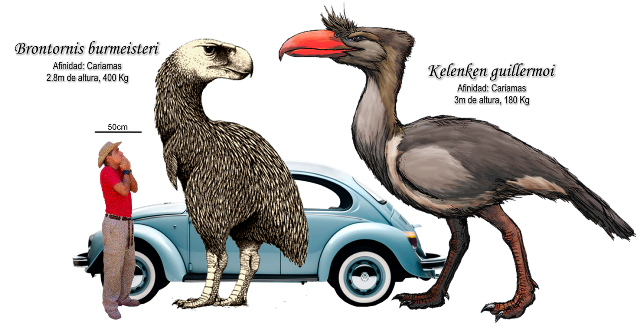
The skull of this creature reveals something fascinating: it may have had a trunk. The nasal opening high up on the head is known from animals with trunks (like elephants). It had been long believed that a long, prehensile snout had been used in a similar way to elephants, pulling down arboreal foliage for fodder. However, using carbon isotopes taken from dental enamel of skeletal remains show that Macrauchenia ate both grasses and leaves from trees; it appears a long snout may have allowed this animal to be more of a generalist eater. Likewise, those mismatched legs are thought to have maximised nimbleness on all territories, for this drama-llama needed to be able to twist and turn at high speed, on all terrains to avoid the predators of South America. And there were some impressive carnivores, including the nightmarish carnivorous ‘Terror-Birds’ or Phorusrhacidae, who it’s reckoned were Public Enemy Number 1 for Pleistocene herbivores.

Two big South American Terror Birds (Phorusrhacidae). (Image by Roberto Díaz Sibaja. Image from here)

Two big South American Terror Birds (Phorusrhacidae). These were the apex predators of the isolated South American continent until around 2.5 million years ago. (Image by Roberto Díaz Sibaja. Image from here)

These incredible animals were perfect evidence for Darwin’s theories, where evolution enables an adaptation to survive and thrive in a specific environment. That funny-looking trunk meant it could consume any sort of vegetation – Macrauchenia was not meant to go hungry. We now suspect that those legs were made for swerving and fast stops to evade anything with large teeth and an even larger appetite for pretty quadrupeds. Those powerful hind legs probably could also deliver quite a kick too.

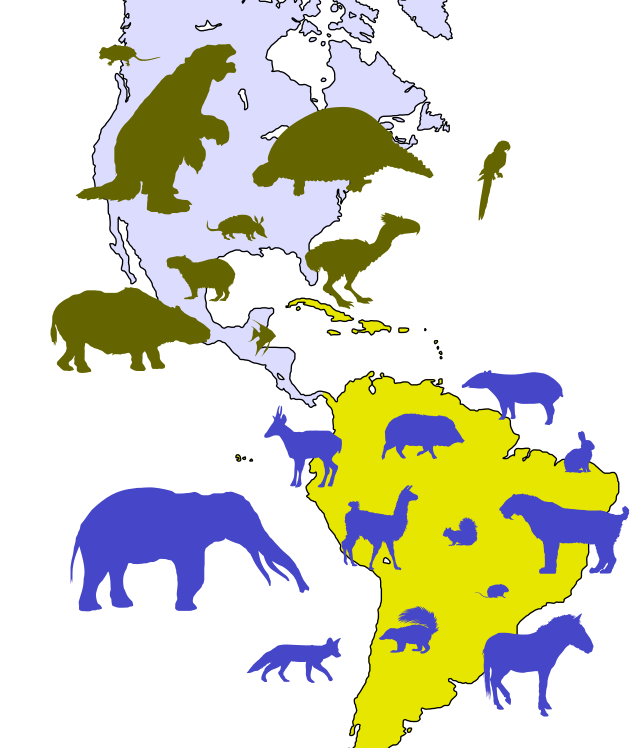
Macrauchenia was an indigenous South American creature, existing from the earlier phases of the Miocene. As such, it was part of the complex ecosystem and food chain which predated the stream of migrating North American creatures to South America across the Isthmus of Panama, some 2.5 million years ago, in what we now call the Great American Interchange. Climate changes were occurring rapidly, and the great Quaternary megafaunal extinction event was happening. The populations of the last of the litopterns could cope with the ‘usual suspect’ predators – but soon found the environment populated by new predators, and increased competition from newly arrived herbivorous animals.

The Great American Interchange. As North an South America (Image from here)

The Great American Interchange. North and South America were separate continents for millions of years. When they joined together, creatures from the north and south travelled freely to new lands.  (Image from here)

There was of course another creature which was crossing from continent to continent, perhaps the most lethal and destructive known on this planet – Homo sapiens. They did not need the Panamanian Isthmus to cross from one land mass to another, as their ingenuity and curiosity kept extending their territories regardless of any barrier in their way. Archaeologist Tom Dillehay’s relentless research at sites such as Chile’s Monte Verde shows that humans inhabited South America much earlier than once thought. Bone assemblages found at archaeological sites such as Argentina’s Campo Laborde and Paso Otero sites 4 and 5 from around 10,000 years ago include random bones of Macrauchenia which appear to be considerably older than the settlement sites themselves.  However, there are petroglyphs in caves at Bahia, Brazil, which are considered to represent the unique Macrauchenia, which certainly would suggest humans did gaze upon this oddity of evolution. If they saw these creatures, it would be almost certain they also hunted them, so perhaps the conventional extinction date of c. 20,000 years ago is a bit too long ago for the last of their line. Two ribs of Macrauchenia have been found with cut marks (evidence of butchery) showing that the last small herds of this amazing creature may have survived until as recently as 10 to 15,000 years ago. More evidence is needed.

The land bridge of the Panamanian Isthmus between North and South America heralded catastrophic changes. Land displacement, sea current alterations, climate change, invasive species all created pressures on both the environment and native species of fauna of South America. The chill of the approaching Ice Age did not help the survival chances of a herbivore so perfectly adapted to its environment, not did the megafaunal-Malthusian stresses on resources caused by the migration of North American creatures. It simply may be that the arrival of humans, with even limited amounts of hunting and land management finally tipped the scales against the last of the fabulous Macraucheniidae.

Written by Rena Maguire (@JustRena)

Art by Tabitha Paterson (@TabithaPaterson)

Further Reading:

Adams, D. 1979. The Hitch-Hikers Guide to the Galaxy. London: Pan. [Full book]

Alvarenga, H., Jones, W., & Rinderknecht, A. (2010), ‘The youngest record of phorusrhacid birds (Aves, Phorusrhacidae) from the late Pleistocene of Uruguay’. Neues Jahrbuch für Geologie und Paläontologie-Abhandlungen256.2. 229-234. [Full article]

Bayón, C., et al. (2011), ‘Following the tracks of the first South Americans’. Evolution: Education and Outreach. 4.2. 205-217. [Full article]

Cid, A. S., et al. (2014), ‘ Na, K, Ca, Mg, and U-series in fossil bone and the proposal of a radial diffusion–adsorption model of uranium uptake’. Journal of Environmental Radioactivity136. 131-139. [Abstract only]

Chichkoyan, K V, (2013), South American Extinctions, a case study: the Rodrigo Botet Collection of the Museum of Natural Science in Valencia, Spain. Assemblage 12. pp. 28-42. [Full article]

Darwin, C. (1862), The Correspondence of Charles Darwin:, Volume 10. Cambridge: Cambridge University Press. [Full online correspondence]

Deschamps, C. M. (2013), ‘Late Cenozoic mammal bio-chronostratigraphy in southwestern Buenos Aires province, Argentina’. Ameghiniana. 42.4. 733-750. [Full article]

Dillehay, T., et al. (2008). ‘Monte Verde: seaweed, food, medicine, and the peopling of South America’. Science. 784-786. [Abstract only]

Fariña, R. A., Blanco, R. E., & Christiansen, P. (2013). ‘Swerving as the escape strategy of Macrauchenia patachonica Owen (Mammalia; Litopterna)’. Ameghiniana. 4. 751-760. [Abstract only]

Flegenheimer, N., Miotti, L., & Mazzia, N. (2013). ‘Rethinking early objects and landscapes in the Southern Cone: Fishtail-point concentrations in the Pampas and Northern Patagonia’. Chapter 21. [Full chapter]

Guérin, C., & Faure, M. (2004).  ‘Macrauchenia patachonica’, Owen (Mammalia, Litopterna) de la région de São Raimundo Nonato (Piauí, Nordeste brésilien) et la diversité des Macraucheniidae pléistocènes’. Geobios. 516-535. [Abstract only]

Huxley, T. H. (1861). ‘On a new species of Macrauchenia (M. Boliviensis)’. Quarterly Journal of the Geological Society. 1-2.  73-85. [Abstract only]

Lynch, T. (1999).  ‘The earliest South American lifeways’ in  Salomon, F and Schwartz, S (eds) The Cambridge History of the Native Peoples of the Americas Volume 3: South America, Part 2. Cambridge: Cambridge University Press. 188-206. [Book]

Marshall L G, et al. (1982). ‘Mammalian evolution and the Great American Interchange’. Science.4538. 1351-1357. [Abstract only]

Martínez, G., Gutiérrez, M. A., & Prado, J. L. (2004). ‘New archaeological evidences from the late Pleistocene/early Holocene Paso Otero 5 site (Pampean region, Argentina)’. Current Research in the Pleistocene. 21. 16-18. [Full article]

Martínez, G., Gutiérrez, M. A., & Tonni, E. P. (2013). ‘Paleoenvironments and faunal extinctions: Analysis of the archaeological assemblages at the Paso Otero locality (Argentina) during the Late Pleistocene–Early Holocene’. Quaternary International. 299. 53-63. [Abstract only]

McFadden, B.J and Shockey, B. (1997). ‘ Ancient feeding ecology and niche differentiation of Pleistocene mammalian herbivores from Tarija, Bolivia:morphological and isotopic evidence’. Palaeobiology. 23. 1. 77-100. [Full article]

Prado, J. L.,and Alberdi, M. T. 1999. ‘The mammalian record and climatic change over the last 30,000 years in the Pampean Region, Argentina’. Quaternary International. 57. 165-174. [Full article]

Politis, G. G., & Messineo, P. G. (2008). ‘The Campo Laborde site: new evidence for the Holocene survival of Pleistocene megafauna in the Argentine Pampas’. Quaternary International. 191.1. 98-114. [Abstract only]

Posted in Macrauchenia | Tagged , , , , , , , , , , , , , , | 12 Comments

2014: A review of the Beasts

The WordPress.com stats helper monkeys prepared a 2014 annual report for this blog.

Twilight Beasts Logo

It’s been a busy eight months of beasts! Thank you all for reading and enjoying the posts and to our wonderful gust bloggers too (one of which appears in our top 5 read posts!!).

There will be lots more new and exciting Beasts in the new year!!

Wishing everyone lots of health and happiness for 2015!!

Jan, Ross, Rena and Tabitha.

Click here to see the complete report.

Posted in Uncategorized | Leave a comment

T’was the night before Christmas

Head held down, the reindeer forced itself forwards. A strong, icy wind blasted against it’s thick hide. Straining to hear in the howling storm, there was no sign of the herd. Some moments earlier it had become separated from the group. Something had startled the reindeer. A wolf? Something else? The large four toes are spread out to allow this large deer to effortlessly move through the deepening snow, despite the oncoming stormy weather. The reindeer slowly presses onwards, although the top of the cliff is not sheltered and both the cliff and the reindeer take a battering from the blizzard. Down below, a small river cuts through an empty, white covered valley; all the animals are hibernating, or have migrated west. In the valley yellow lichen clings to the light grey hard rocks with a few mossy bushes poking out between the cracks. Visibility is reduced on the cliff top as the wind increases, but the reindeer blindly pushes onwards. The hole was covered by a thin blanket of snow. The reindeer couldn’t have known it was there. No animal could have. It snorted loudly as it fell, some thirty feet, down a dark shaft. From an awkward position, the reindeer shifted it’s head to watch a few snowflakes softly fall down from the small opening far above. It watched the last few clouds of breath dissipate into nothing, as eternal darkness slowly descended and the big reindeer closed it’s eyes one last time.

Around 15,125 years later (give or take 390 years), the skeleton of this unfortunate reindeer was found. The long shaft had ended in a small cavern. This breccia filled hole was excavated in 1964. The cavern was in Plymouth, Devon.
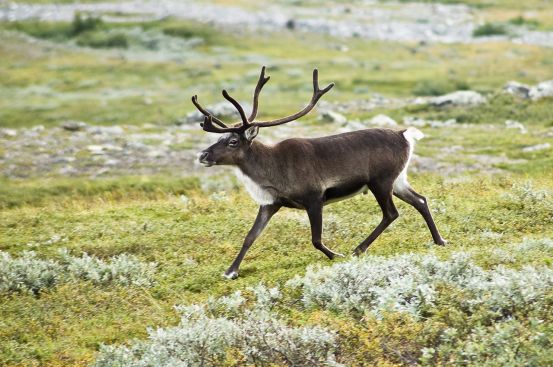
A beautiful reindeer (Rangifer taradus). (Image from here)

A beautiful reindeer (Rangifer tarandus) making it’s way across the mossy cold expanses in Sweeden. (Image from here)

A familiar mammal today, reindeer are one of the survivors of the Ice Age. Popularised by Santa’s original eight reindeer pulling his sleigh through the sky whereupon this one man delivered presents to every single house in the world in one night. The story of flying reindeer originates in Clement Moore’s 1823 poem ‘T’was the Night Before Christmas‘. Rudolf the ‘red nosed reindeer’ joins the group in the late 1930s. Clearly chosen for their strength and endurance during cold hard times, reindeer have become immortalised and symbolic as a part of Christmas. (I often wonder what people will think in 500 years time when they read stories about Father Christmas and his small, but trusty, herd of reindeer flying him across the world. Humans are quite good at making up stories.)

Today reindeer (Rangifer tarandus) are restricted to the Northern Hemisphere; Norway, Finland, Greenland, and Siberia, and to the east across Canada and Alaska. To the east, the herds of Rangifer tarandus are known as caribou, and across Eurasia, they are called reindeer. They are both the same species (they can mate and have fertile offspring). Reindeer may be slightly smaller than caribou which may be due to the more open landscape where the caribou live. These are herd animals, travelling together in huge numbers, which can be anything from a few dozen to a million strong. Migrating across flat snow covered plains to forested areas, reindeer are unique creatures with a very unique diet; they use their big, padded toes to dig in the snow to feed on lichens. Yes. Those flat rather non-descript algae/fungus symbiotic organisms. Lichens. Their strong curved incisors are perfect for nipping and scraping up this unusual food. Few other animals rely on lichen as a food; those that do include musk ox, Arctic hare and Arctic lemming. Although lichen is their main source of food in the winter seasons when other food is scarce, reindeer also eat moss, grass, and birch and willow leaves.
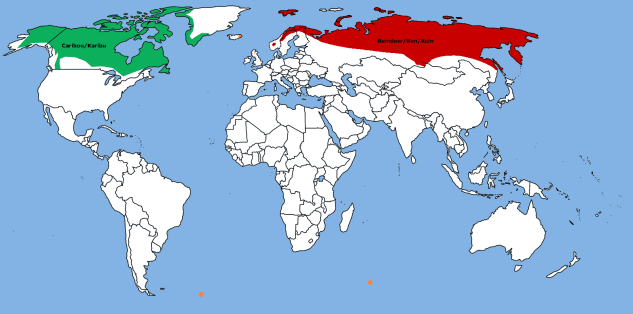
The modern day range of reindeer (and caribou). (Image from here)

The modern day range of reindeer (and caribou). (Image from here)

So what was this reindeer doing making its way across Plymouth? Was it an isolated individual? Far, far from it. Reindeer were very abundant in Europe during the late Pleistocene.

Fossils of these majestic deer have been found in Germany dating back to the Early Middle Pleistocene (around 600,000 years ago), and shortly after fossils appear at sites in France. The climate was colder and drier during this period, allowing the range of the reindeer to be pushed much further south than it currently is. The climate during the entire Pleistocene was fluctuating like man-flu; there would be rapid periods of over the top hot times, followed by longer periods of real chilling coldness. During the colder phases, the reindeer travelled further south, following their habitat they favoured. In Britain the first evidence of them comes from Somerset’s Banwell Bone Cave, dating to around 83,000 years ago, along with some specimens found in Norfolk. After a small hiatus, remains of British reindeer can be found across many sites in the UK, from around 40,000 years ago to the end of the Twilight, 13,000 years ago. They spread so far south that fossils have been found in Kent’s Cavern, Devon, and in Plymouth.

Migrating across the cold Steppes of Europe along with other giants of the Pleistocene, reindeer were perfectly suited to these cold and tough environments. Mammoth, woolly rhinoceros, and horses enjoyed these colder Arctic times, along with much smaller creatures like the little Norway Lemmings (Lemmus lemmus), the tundra vole (Microtus gregalis) and the extinct water vole (Arvicola cantiana).  The treeless landscape was dominated by lichens hanging on to the bare rocks, along with soft, bouncy light and dark green mosses, and low lying shrubs. Reindeer shared the flat expanse dotted by small dark forests with a surprising number of its relatives, including the magnificent giant deer (Megaloceros giganteus), red deer (Cervus elaphus), elk (Alces alces), roe deer (Capreolus capreolus) and fallow deer (Dama dama). With huge numbers of herbivores making their way across the landscapes, there was no shortage of predators. Wolves, cave lions, sabre tooth cats, leopards, and hyenas were all familiar carnivores in Europe until around 11,000 years ago.

Something was happening that pushed reindeer away from Britain. At the height of the final glacial period in Britain, around 20,000 years ago (known as the Last Glacial Maximum), an enormous sheet of ice covered much of north western Europe, and most of Britain. This was a huge ice sheet and there was another one across the Atlantic covering much of North America, as far down to New York). With such huge quantities of water locked in the ice, the sea levels were much lower, and the English Channel was but a small meandering river surrounded by luscious grassy plains. Herds of animals moved with ease across non-existent geographical barriers. Hyenas, reindeer, Mammoths and other mammals from the Steppe moved freely across Spain, France, Italy and Britain. The ice, however, was not to last.

A nice illustration of teh extent of the Ice Sheets during the last Glacial period of the Pleistocene. (Image from here)

A nice illustration of the extent of the Ice Sheets during the last Glacial period of the Pleistocene. (Image from here)

Around 20,000 years ago, the ice began to melt. With a slowly warming climate, ice melted, sea level rose, and the vegetation across the landscape changed. The Mammoth Steppe that supported such a huge range of mega-fauna began to fade away. Many clung on to the disappearing Steppe environment, following north west as it slowly vanished. For those animals that stayed put, the environment they were suited to changed too much for them. Thick oak woodlands covered much of Britain, perfect for the smaller deer species, but not for reindeer. These wonderful animals became extinct in Britain around 13,000 years ago.

Their sheer numbers, and adaptation to extreme environments may have saved this Twilight Beast from extinction. Able to live in the coldest conditions, the few predators that picked off a few tasty reindeer made little impact to their overall numbers.

It appears humans fascination, and respect, for reindeer is more ancient than Father Christmas himself. Cave paintings at Cueva de las Monedas, in Spain include reindeer, demonstrating their presence in the area between 35,000 and 11,000 years ago. Capturing the essence of the animal on the wall inside a cave also shows that the artist saw something in this beast, something worthy of recording it on the walls. Fascinatingly, reindeer are one of the few species that do not appear on the famous painted caves at Lascaux, in France (even though reindeer bones have been found in the caves).

One of the most incredibly beautiful works of art made by human hands is a small piece of carved mammoth tusk found in Montastruc, France. Carved in unbelievable detail are two ‘crouching’ reindeer. The piece is called the ‘swimming reindeer’ as it looks as though they are swimming. This may not be a bad guess; Montastruc is a site which overlooks a river, so the carver may have witnessed reindeer swimming across. And reindeer, with their particularly large padded toes, are actually pretty good swimmers (although they would not swin streamlined like this, more of doggy paddle style). Another explanation could be that the shape of the mammoth tusk limited what the carver could actually carve. This one single sculpture, surviving for 13,000 years, gives us a glimpse into a long lost world, when reindeer were moving through France, and they captured the imagination of one carver.

Intricatly carved from fragile mammoth tusk, these two reindeer look as though they are swimming. (image from the British Museum)

Intricately carved from fragile mammoth tusk, these two reindeer look as though they are swimming, although this may be due to the lack of depth of a mammoth tusk. (image from the British Museum)

Written by Jan Freedman (@JanFreedman)

*Scroll past the references to read the full poem, T’was the night before Christmas introducing Santa’s reindeer for the first time by Clemet Moore (1823).

Further Reading:

Clark, P, U, et al. (2009). ‘The Last Glacial Maximum’, Science 325 (5941). pp. 710–4. [Abstract only]

Currant, A & Jacobi, R. (2001), ‘A formal mammalian biostratigraphy for the Late Pleistocene of Britain’, Quaternary Science Reviews. 20. 1707-1716. [Full article]

Jeffers, H. P. (2001), ‘Legends of Santa Claus’. Minneapolis: Lerner Publications. [Book]

Kurten, B. (1968), ‘Pleistocene Mammals of Europe’, The World Naturalist. [Book]

Montogomery, W, I, et al. (2014), ‘Origin of British and Irish mammals: disparate post-glacial colonisation of species introductions’, Quaternary Science Reviews98. pp.144-165. [Full article]

Stuart, A. J. (1977), ‘The Vertebrates of the Last Cold Stage in Britain and Ireland’, Philosophical Transactions of the Royal Society of London. 280 (972). pp.295-312. [Abstract only]

Stuart, A. J. (1982), ‘Pleistocene Vertebrates in the British Isles’, Longman. [Book]

Stuart, A. J. (1991). ‘Mammalian extinctions in the Late Pleistocene of Northern Eurasia and North America’, Biology Reviews. 66. pp.453-562. [Abstract only]

Sutcliffe, A. J. & Lewerne, B, (1977), ‘An unsolved mystery: the age of the almost destroyed human remains from Cattedown Cave, Plymouth, Devon’, Studies in Speleology. 3(1). pp.43-48.

Sutcliffe, A. J. (1985), ‘On the track of Ice Age Mammals’, British Museum (Natural History). [Book]

van Kolfschoten, T, et al. (2011), ‘A remarkable collection of Late Pleistocene reindeer (Rangifer tarandus) remains from Woerden (The Netherlands)’, Quaternary International. 238. pp.4-11. [Full article]


‘A visit from St Nicolas’

(also known as ‘T’was the night before Christmas’)

By Clement C Moore (1823)

‘Twas the night before Christmas, when all through the house

Not a creature was stirring, not even a mouse;

The stockings were hung by the chimney with care,

In hopes that St. Nicholas soon would be there;

The children were nestled all snug in their beds;

While visions of sugar-plums danced in their heads;

And mamma in her ‘kerchief, and I in my cap,

Had just settled our brains for a long winter’s nap,

When out on the lawn there arose such a clatter,

I sprang from my bed to see what was the matter.

Away to the window I flew like a flash,

Tore open the shutters and threw up the sash.

The moon on the breast of the new-fallen snow,

Gave a lustre of midday to objects below,

When what to my wondering eyes did appear,

But a miniature sleigh and eight tiny rein-deer,

With a little old driver so lively and quick,

I knew in a moment he must be St. Nick.

More rapid than eagles his coursers they came,

And he whistled, and shouted, and called them by name:

“Now, Dasher! now, Dancer! now Prancer and Vixen!

On, Comet! on, Cupid! on, Donner and Blitzen!

To the top of the porch! to the top of the wall!

Now dash away! dash away! dash away all!”

As leaves that before the wild hurricane fly,

When they meet with an obstacle, mount to the sky;

So up to the housetop the coursers they flew

With the sleigh full of toys, and St. Nicholas too—

And then, in a twinkling, I heard on the roof

The prancing and pawing of each little hoof.

As I drew in my head, and was turning around,

Down the chimney St. Nicholas came with a bound.

He was dressed all in fur, from his head to his foot,

And his clothes were all tarnished with ashes and soot;

A bundle of toys he had flung on his back,

And he looked like a pedler just opening his pack.

His eyes—how they twinkled! his dimples, how merry!

His cheeks were like roses, his nose like a cherry!

His droll little mouth was drawn up like a bow,

And the beard on his chin was as white as the snow;

The stump of a pipe he held tight in his teeth,

And the smoke, it encircled his head like a wreath;

He had a broad face and a little round belly

That shook when he laughed, like a bowl full of jelly.

He was chubby and plump, a right jolly old elf,

And I laughed when I saw him, in spite of myself;

A wink of his eye and a twist of his head

Soon gave me to know I had nothing to dread;

He spoke not a word, but went straight to his work,

And filled all the stockings; then turned with a jerk,

And laying his finger aside of his nose,

And giving a nod, up the chimney he rose;

He sprang to his sleigh, to his team gave a whistle,

And away they all flew like the down of a thistle.

But I heard him exclaim, ere he drove out of sight—

“Happy Christmas to all, and to all a good night!”

Posted in Reindeer | Tagged , , , , , , , , , , , , , , , , , , , , , , , , , , , , , , , , , , , | 10 Comments